Exercise and Circulation Keeping the Blood Moving
by Susan Ingraham (© 2024)
The Circulatory System Is Vital to Your Health
The circulatory or cardiovascular system moves blood around the body, carrying food and oxygen to the cells and taking waste away from them. The heart is the centre of this system. This is the route it follows:
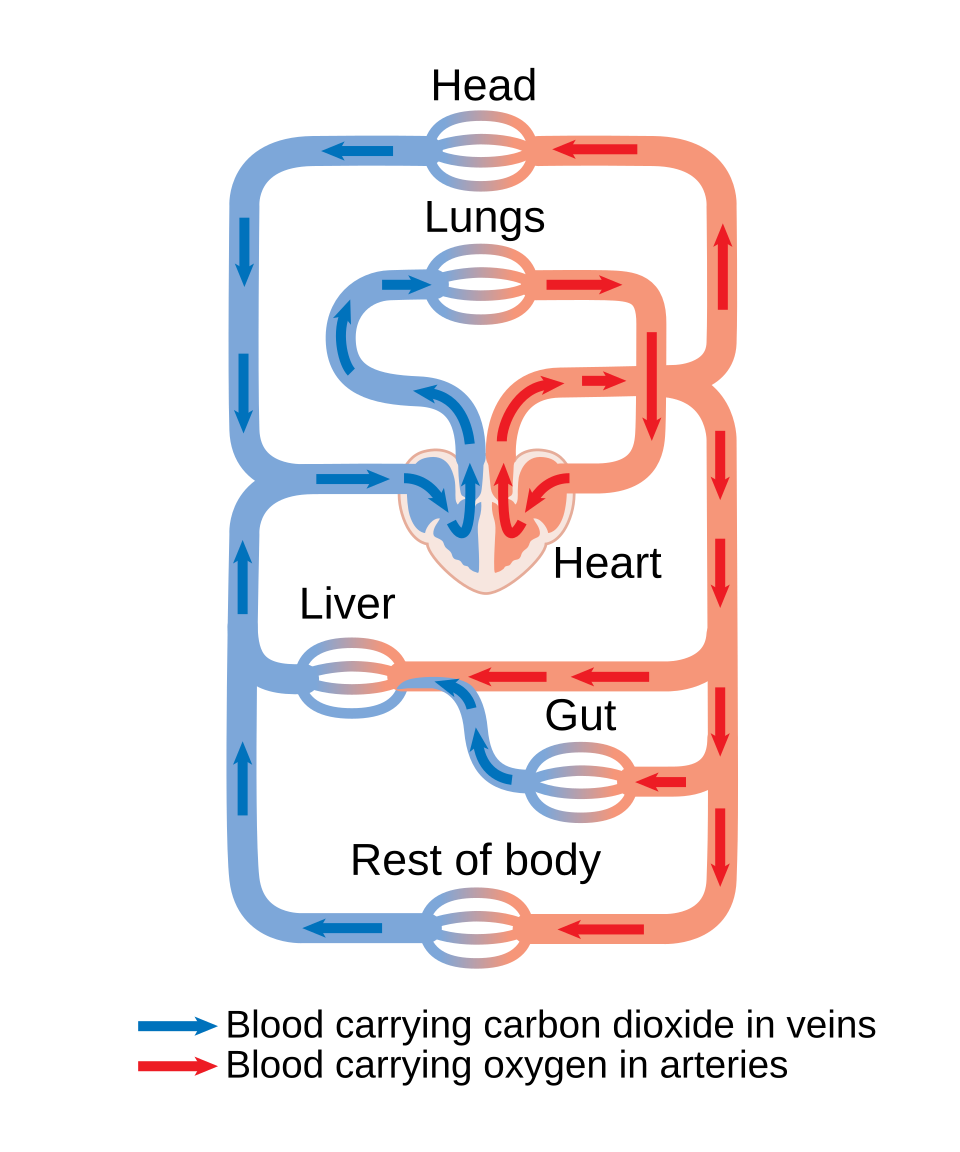

- Blood is pumped from the heart to the lungs where the blood is oxygenated and then returned to the heart.
- The heart then pumps this oxygen-rich blood around your body through the arteries.
- Arteries connect to capillaries (the smallest blood vessels), which pass oxygen and nutrients to the cells while removing carbon dioxide and other waste products from the cells.
- Once there’s nothing left but waste (and very little oxygen), the blood is carried back through veins to the heart.
- The cycle begins again when the heart pumps the deoxygenated blood back to the lungs to be re-oxygenated.
Because your veins have to overcome gravity, returning blood to your heart from your feet and legs is hard work. The muscles in your lower legs and feet essentially push the blood back up to your heart. As we age, the one-way valves in the veins (which usually prevent blood from falling back down) become weaker and leak, resulting in blood “pooling” in the ankles and feet, causing swelling.
How Can You Increase Circulation?
There are no “magic bullets” for increasing or improving your circulation, but two things will definitely help:
- Exercise promotes natural movement of blood through the legs and around the body.
- Healthy eating will reduce your intake of sugar and fat, balance your diet, and increase your dietary fibre. This will allow the blood to flow more easily through the body.
In addition to exercising and eating a healthy diet, you should, whenever possible:
- Avoid smoking since smoking impairs the circulation of blood; it can cause hardening of the arteries and higher cholesterol.
- Avoid stress because stress may cause the body to divert blood flow from the feet and the other extremities, causing poor circulation in these areas. Relieving stress through exercise may help to improve blood circulation in the feet.
It is believed that exercise can do the following for your circulatory system:
- improves the muscles’ ability to pull oxygen out of the blood, reducing the need for the heart to pump more blood to the muscles;
- reduces stress hormones that can put an extra burden on the heart;
- slows the heart rate and lowers blood pressure;
- increases high-density lipoprotein (HDL) and helps control triglycerides;
- affects the body’s ability to use insulin to control glucose levels;
- strengthens the heart and lungs.
Why Is It So Important to Get More Oxygen into Our Body?
As we improve our ability to transport and use oxygen, we will have less fatigue for daily activities. This is even more true for those who have an illness or disease where exercise capacity is already lower than for others.
There is evidence that “exercise training improves the capacity of the blood vessels to dilate in response to exercise or hormones, consistent with better vascular wall function and an improved ability to provide oxygen to the muscles during exercise. Studies measuring muscular strength and flexibility before and after exercise programs suggest that there are improvements in bone health and ability to perform daily activities, as well as a lower likelihood of developing back pain and of disability, particularly in older age groups.”
What Exercises Will Help Circulation?
One exercise session is not enough. But the effect of “continued moderate exercise” when combined with other lifestyle modifications can be, according to Dr. Jonathan M. Myers, “dramatic.”
“Many studies documenting the benefits of exercise typically use programs consisting of 30 to 60 minutes of continuous exercise 3 days per week at an intensity corresponding to 60% to 75% of the individual’s heart rate reserve. Most researchers estimate that as much as a 30% to 40% reduction in cardiovascular events is possible….”
From Dr. Myers’ article: “One need not be a marathon runner or an elite athlete to derive significant benefits from physical activity.… the greatest gains in terms of mortality are achieved when an individual goes from being sedentary to becoming moderately active. Studies show that less is gained when an individual goes from being moderately active to very active.”
Here are some suggested activities to help improve and/or maintain your circulatory system:
- Walking makes the muscles in the legs contract and relax, helps to pump the blood around the body, and lowers blood pressure. It is a low-impact exercise.
- Swimming has the least impact on the joints. It works the entire body and improves oxygen flow to the heart and lungs. If you swim, you should also be sure that you do weight and balance training separately.
- Cycling improves circulation in the lower body and can be done outside or in the gym.
- Dancing is great for improving circulation across the whole body.
- Heel-toe raises can get the blood pumping again whenever you feel numbness, tingling, or pain in your feet. You can do this sitting or standing, depending on your particular health condition. You can raise heels, then toes, and rock back and forth.
- Hand exercises can improve poor circulation in the hands, just as heel-toe raises do in the feet. Take each hand and extend the fingers outward so they are spread wide. Then make a fist, hold for a few seconds and stretch fingers outward again. This will keep the hands and fingers from cramping up and allow for better circulation. It is also useful to squeeze a small ball or sponge.
- Low-impact aerobics can benefit in many ways and is usually combined with strength training and balance training. If possible, attend a class that is intended for older adults.